



Choosing the Best Water Heater for Your Home: Tank vs. Tankless Options Explained
Most people pick a water heater without knowing what fits their home best. That often leads to higher bills and cold showers when demand spikes. Choosing between tank vs tankless options can change your comfort and costs more than you think. Let’s break down the advantages of tankless heaters and traditional models so you find the best water heater for your needs. For more information, consider visiting this page.
Understanding Water Heater Types
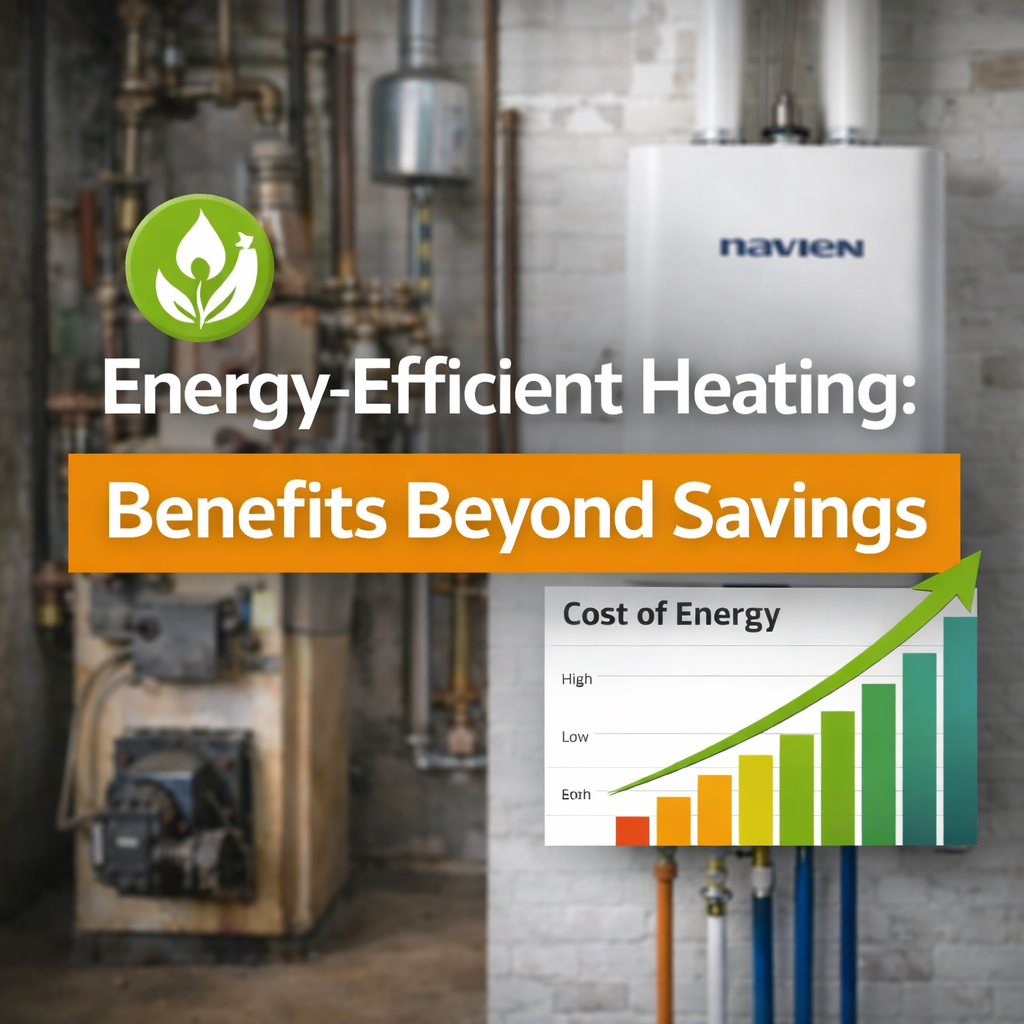
Choosing the right water heater can seem daunting, but understanding your options makes it easier. Let’s look into the two main types: tank and tankless water heaters.
Tank Water Heaters Explained
Tank water heaters are the traditional choice in many homes. They store hot water in a large tank, keeping it ready for use. This means you always have hot water on hand, which is great for families with high hot water demands. Most tank heaters can hold 30 to 50 gallons, ensuring you never run out during peak times like morning showers. However, this constant heating can lead to higher energy bills since the tank works hard to maintain temperature. This reliability comes with a cost: space. Tanks are bulky and need a dedicated area, usually in basements or utility rooms.
Maintenance is another consideration. Sediment build-up at the bottom of the tank can affect efficiency. Regular flushing helps, but it’s one more task on your home maintenance list. To learn more about tank water heaters, visit this site.
Benefits of Tankless Solutions
Tankless water heaters, also known as on-demand heaters, only heat water as needed. This means there is no standby heat loss, which can save you money on energy bills. These systems are compact, often wall-mounted, saving valuable space in your home. While the initial cost of a tankless heater may be higher, the energy savings over time can offset this investment. You can find more about their efficiency on the Department of Energy’s website.
One of the standout benefits is the endless hot water supply. You won’t face a cold shower because the heater provides hot water as long as needed. However, they may struggle to supply multiple outlets simultaneously, like running a shower and dishwasher at once. For households with high simultaneous demands, a tankless system might require a larger unit or multiple units.
Energy Efficiency Considerations
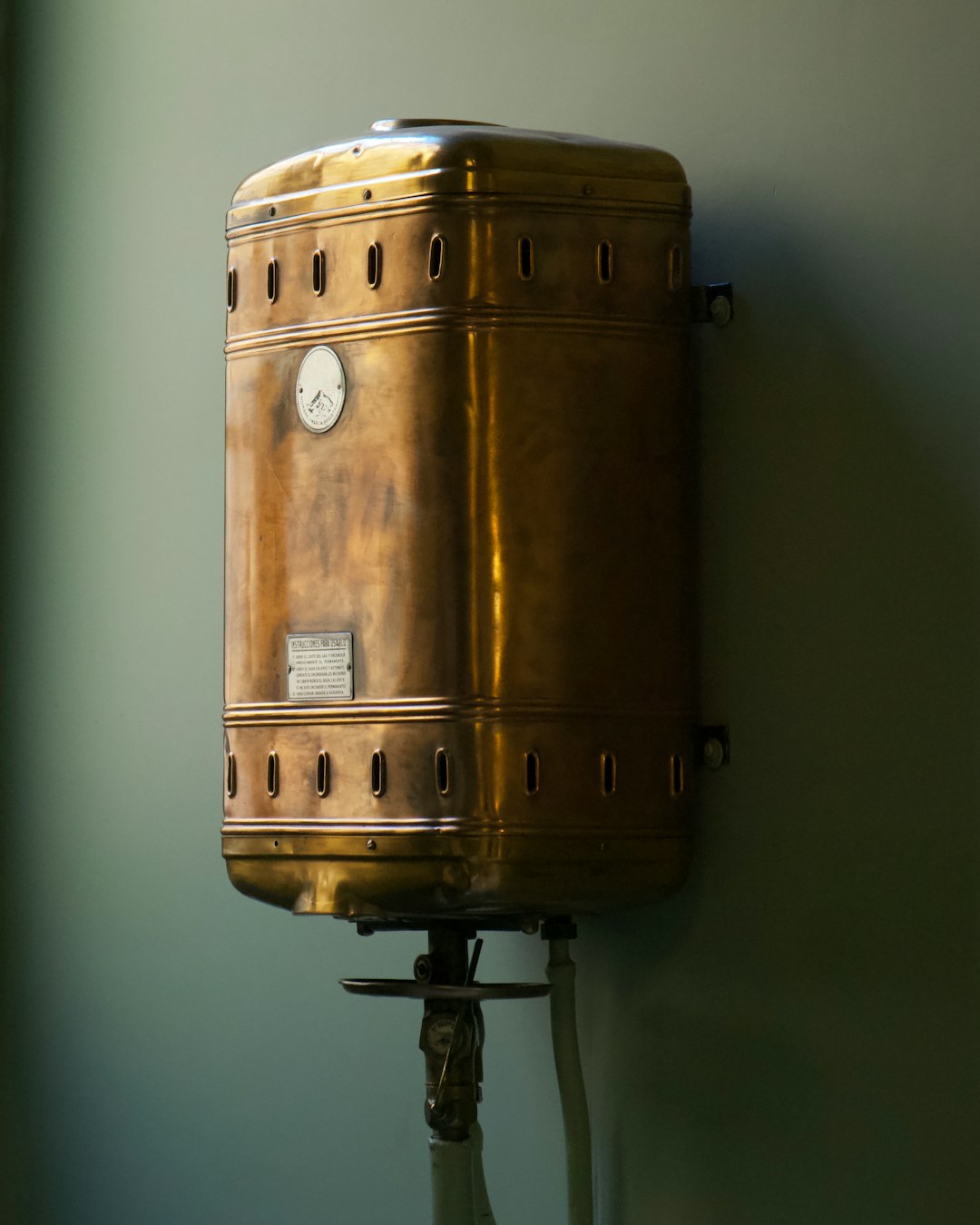
Your choice between tank and tankless impacts your energy bills and environmental footprint. Let’s dive into how these options compare in terms of energy use and potential savings.
Comparing Energy Use
Tank water heaters continuously heat water to maintain temperature, leading to energy waste. On the other hand, tankless heaters activate only when needed, reducing energy consumption. According to studies, tankless systems can be 24-34% more energy-efficient for homes using 41 gallons or less daily. Even for higher usage, efficiency remains 8-14% better than tanks. These savings can reduce your annual energy costs significantly, making a tankless option appealing for eco-conscious homeowners.
Consider your home’s water usage patterns. If your household uses hot water sporadically throughout the day, a tankless system could be the more efficient choice. For more detailed comparisons, you might find this Reddit discussion insightful.
Cost Savings Over Time
Switching to a tankless model can lead to long-term savings. Despite the higher upfront cost, reduced energy bills can result in significant savings over the lifespan of the unit. On average, you can save about $100 annually in energy costs. Over 20 years, that adds up to a $2,000 savings, offsetting the initial expense. Plus, the longer lifespan of tankless heaters, typically 20 years compared to a tank’s 10-15, further boosts cost-effectiveness.
It’s important to weigh short-term costs against long-term benefits. For those planning to stay in their homes long-term, investing in a tankless system might be the smarter financial choice. Brian B. Quick’s blog offers more insights on this.
Choosing the Right Water Heater
Selecting the right heater depends on your needs. Let’s explore key factors and why professional help matters.
Factors to Consider
Consider your household’s hot water usage. For larger families, a tank’s constant supply might suit you. For smaller households or those with staggered usage, a tankless system could be ideal. Space is another crucial factor. If you’re short on space, the compact design of tankless heaters is a major advantage. Also, think about your budget. While tankless heaters are more expensive initially, their energy efficiency could save you money over time. For a deeper dive into the pros and cons, check out Grainger’s Facebook post.
Professional Installation Insights
Proper installation is key to maximizing the benefits of your new heater. Hiring a professional ensures the unit is correctly installed and can prevent costly issues. Professionals can also advise on necessary permits or changes to your home’s plumbing infrastructure. For those around Pine Bush, NY, consider reaching out to Straight Up Plumbing & Heating for expert installation services.
Choosing the right water heater is not just about comfort; it’s about efficiency and long-term savings. By considering your needs and consulting with professionals, you can make the best choice for your home.